Candle
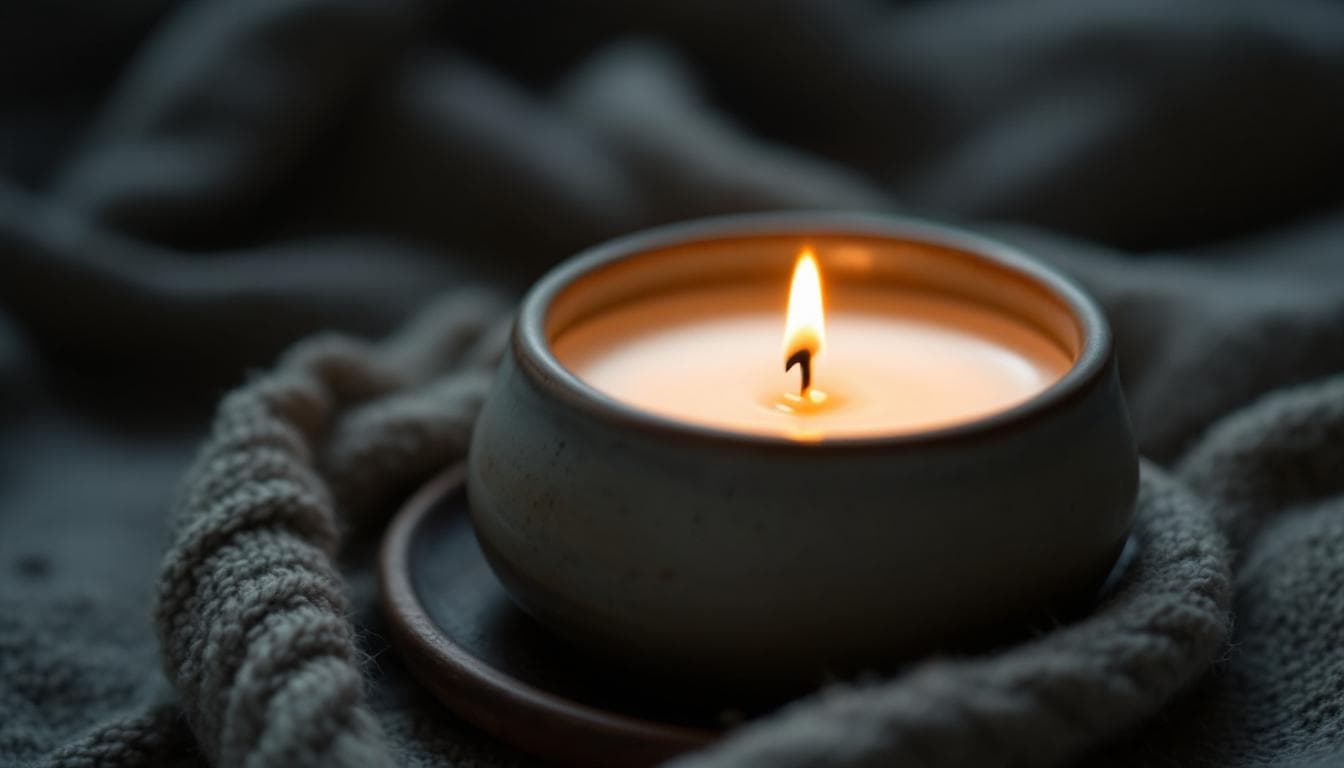
Before kerosene and electricity, hemp was light. Hemp seed oil was used in lamps across pre-industrial Europe; hemp wick was twisted by hand for tapers and rushlights. The flame is slightly warmer in tone than paraffin's — closer to gold than to white — because hemp oil burns at a marginally lower temperature.
Pour and set
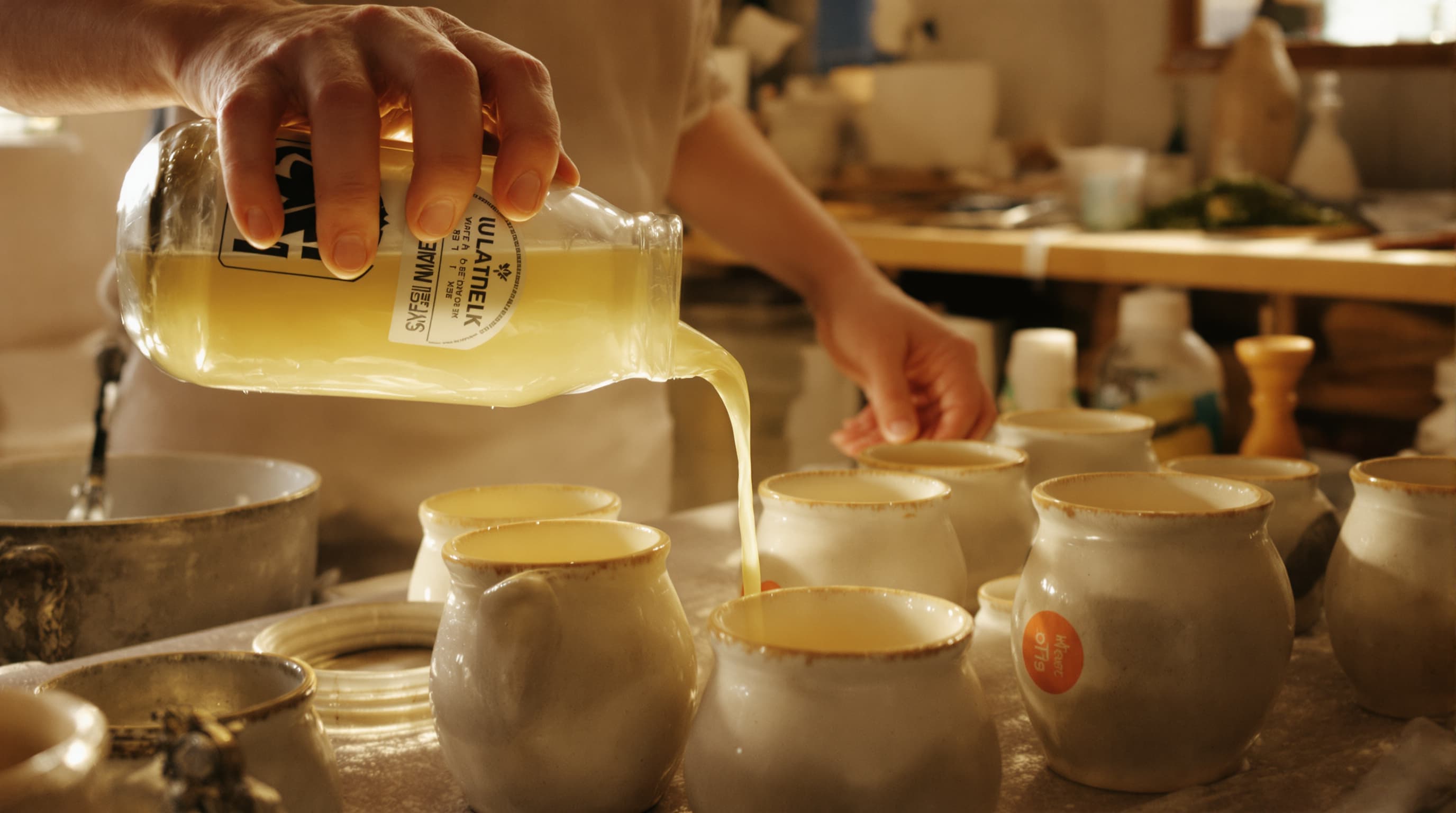
Modern artisan candles blend cold-pressed hemp seed oil with beeswax (60% wax, 40% oil) to give the soft set that pure hemp oil can't reach. Warm to 65 °C, stir gently, pour into the vessel with the wick centred and weighted. Let it cool slowly so the surface doesn't sink.
Hemp oil + beeswax · 65 °C
How they burn
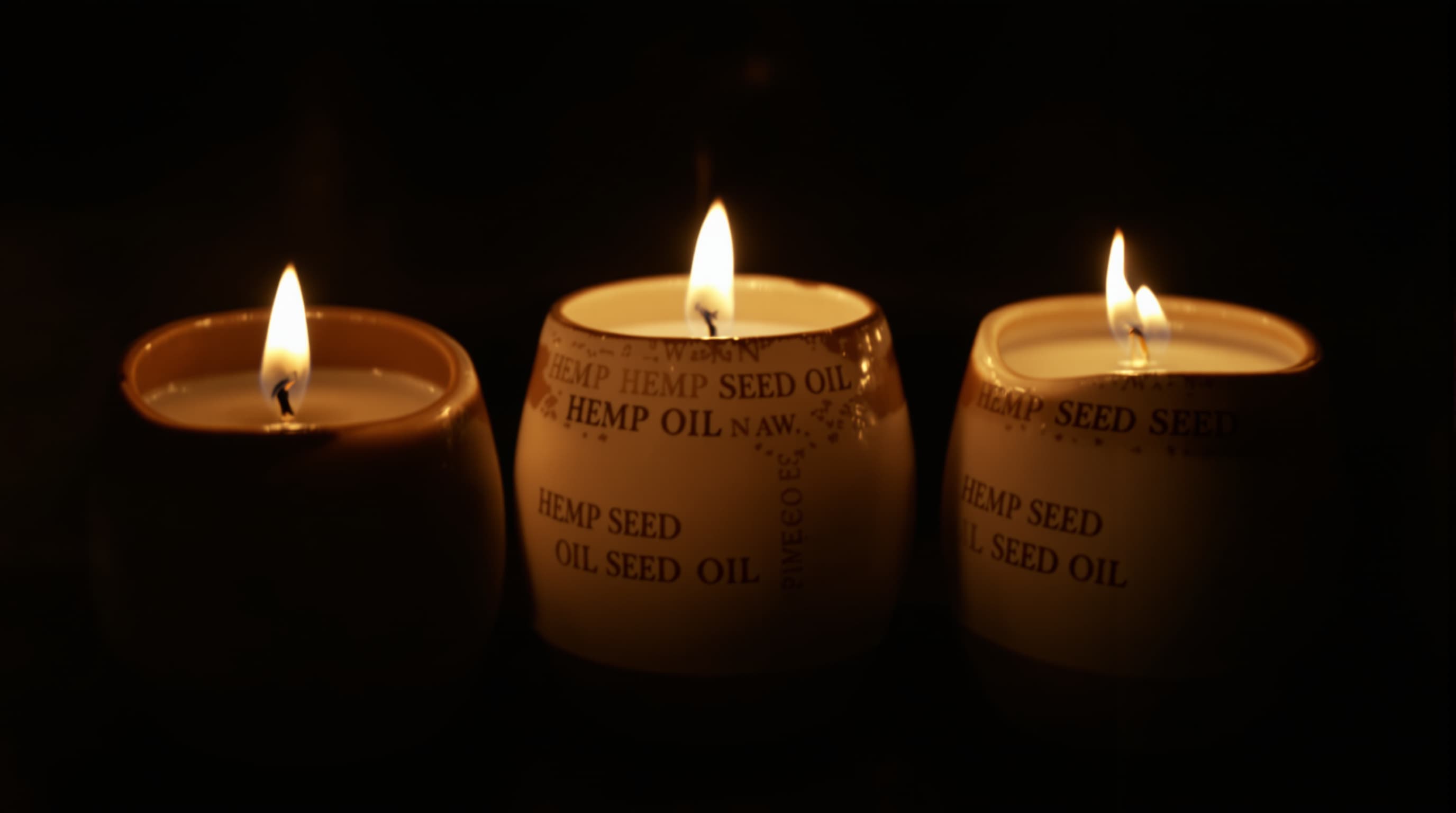
Hemp-oil candles burn cleaner than paraffin (no aromatic hydrocarbons) and slower than pure beeswax for the same wick gauge. A 200 ml vessel typically gives 25–30 hours of light. The smell — when you blow it out — is faintly grassy, not chemical. Pleasant.
Cleaner than paraffin · slower than beeswax
Hempwick
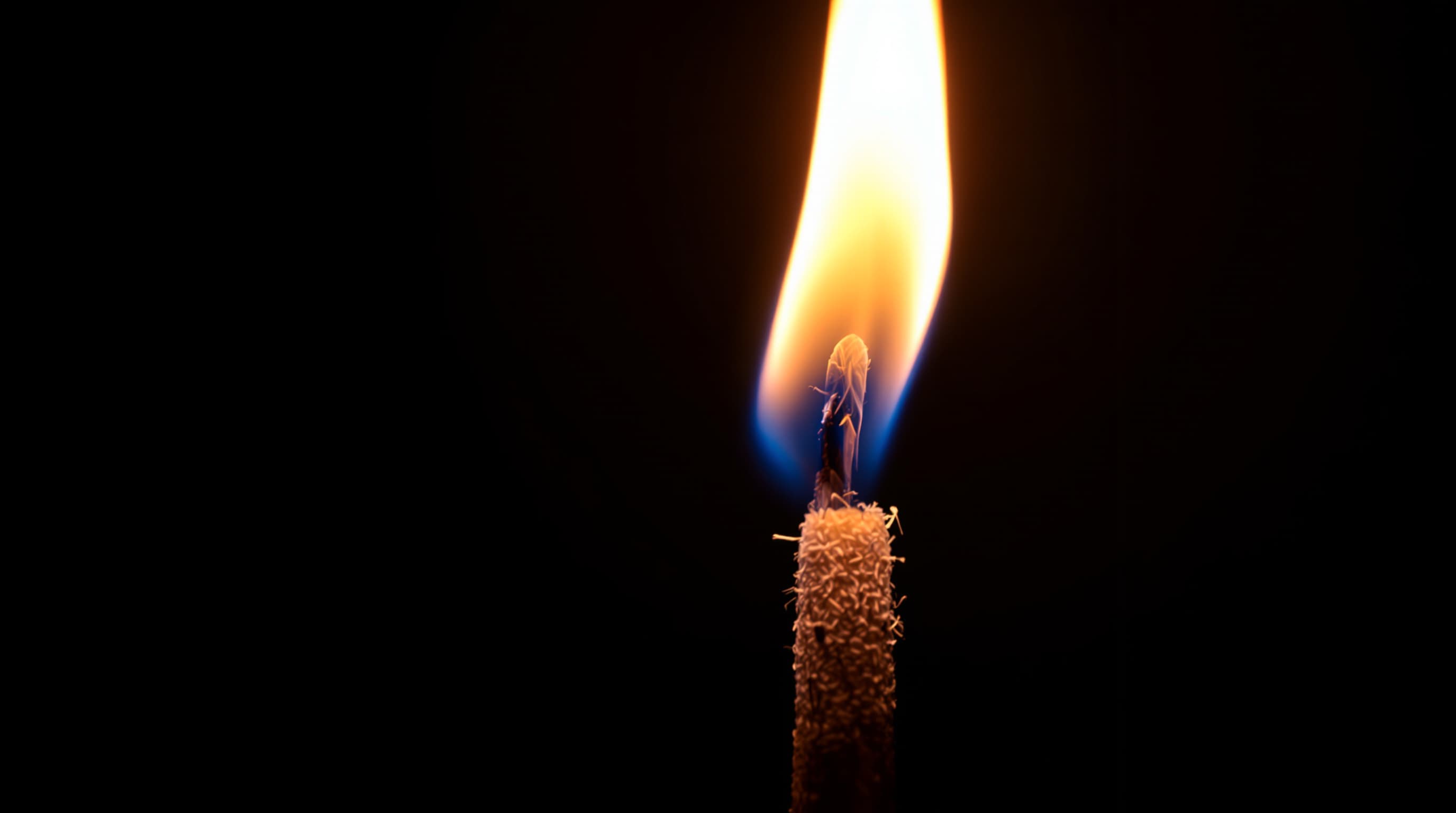
Hempwick — twisted hemp cordage dipped in beeswax — is a tradition that survived its candle. Cigar smokers and the smoking community use it to light without the chemical taste of a butane lighter. RAW, Bee Line and Humboldt Hempwick are the three most-distributed brands in 2026.
The wick that survived the candle
How can we hemp you?
Building. Sourcing. Specifying. Investing. Or just curious about where the European hemp supply chain is going in 2026. Tell us who you are and what you're working on. We read everything; we reply to most within two working days.
We do not sell, share, or rent your data. Your message lands in our team inbox and stays there.