Biocomposites
Hemp fibre at ~1.48 g/cm³ is about 42% lighter than E-glass (2.55) — the basis of ~20–30% weight savings in equivalent automotive composite parts. Tensile modulus 30–60 GPa, specific stiffness about 3–4× E-glass. The EU End-of-Life Vehicle directive (2000/53/EC) requires 95% reusability/recoverability by mass — natural-fibre composites count.
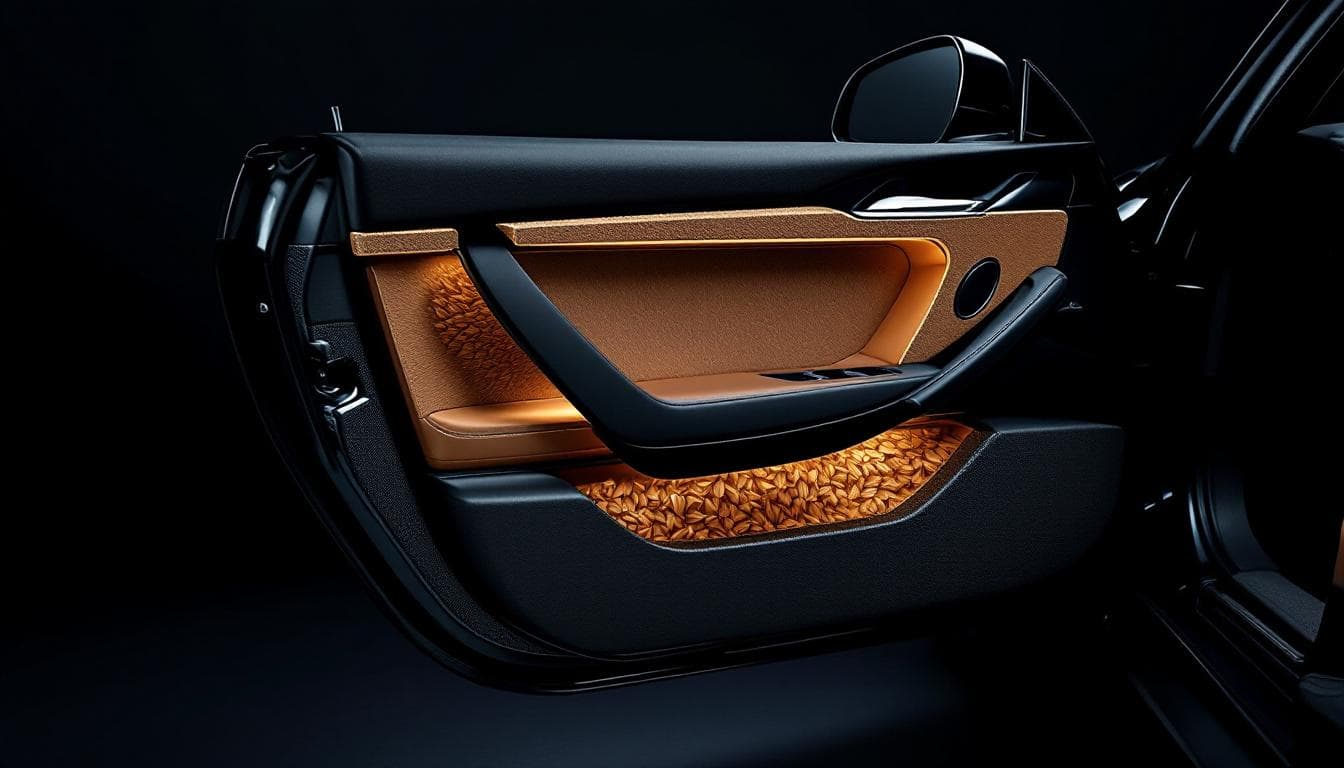
BMW i3
First volume-produced electric vehicle to use natural-fibre composites — hemp, flax and kenaf — as a structural interior element. Door cards roughly 30% lighter than equivalent glass-reinforced plastic. The German tier-one supplier base has kept the category alive across the i-series and successor electric platforms.
Germany · 2013 onward
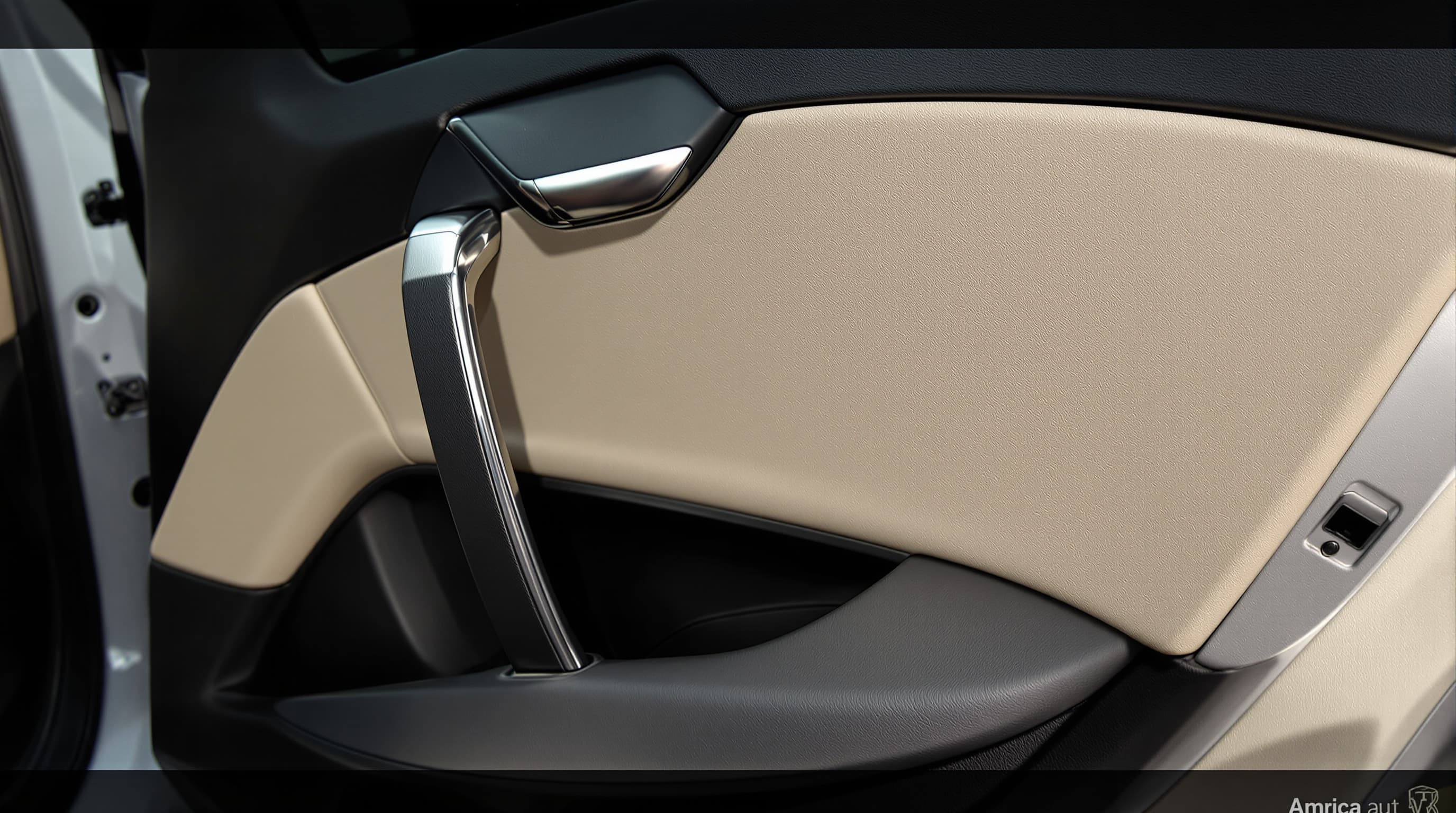
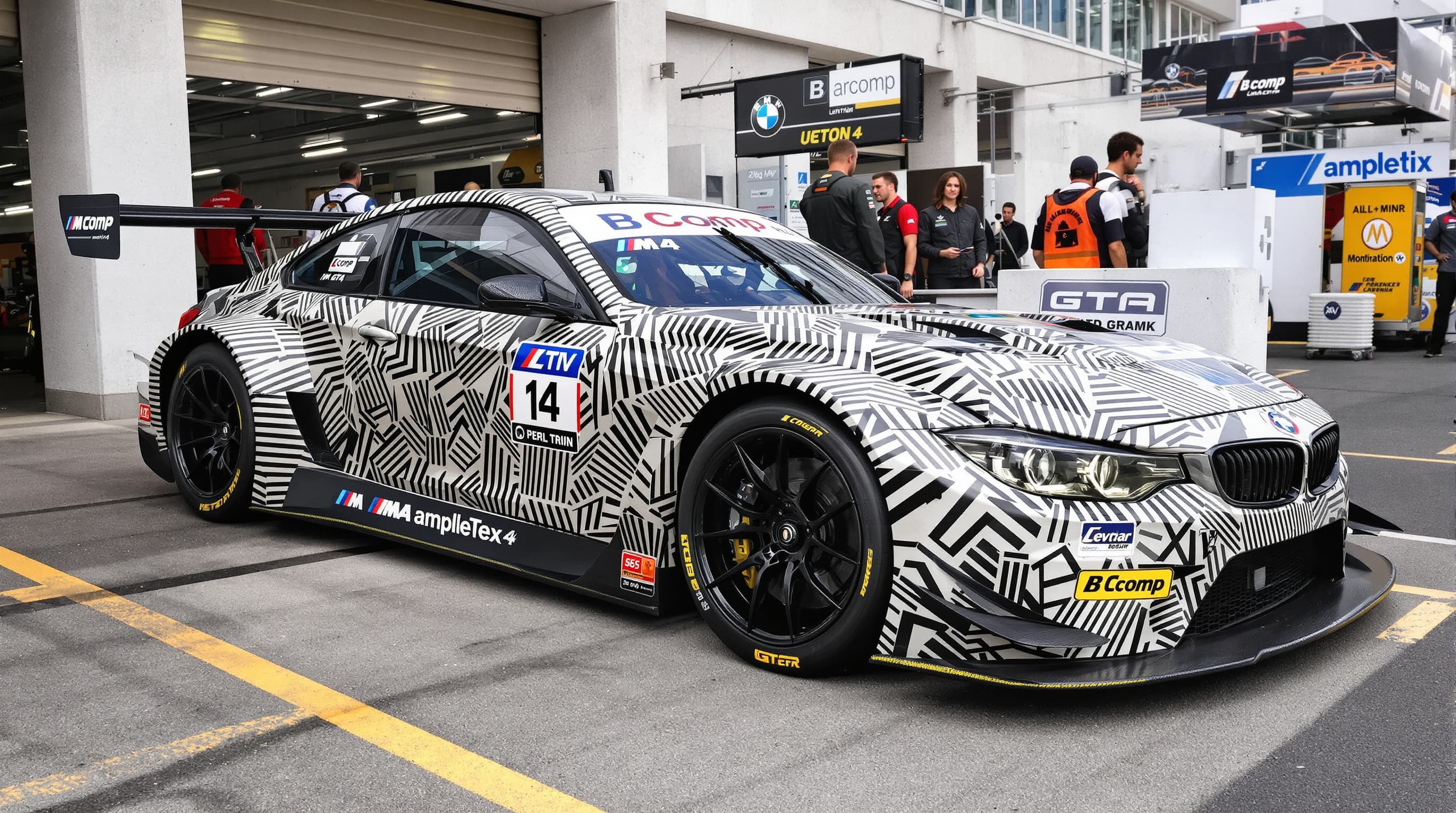
Bcomp ampliTex
Used in BMW M4 GT4 (FIA-homologated 2021), Volvo XC60 interior trim, Eberhard & Co watch components. The high-performance, low-volume natural-fibre composite of record. The 2021 M4 GT4 bodywork was the first FIA-homologated natural-fibre composite race car.
Switzerland · hemp-flax composite
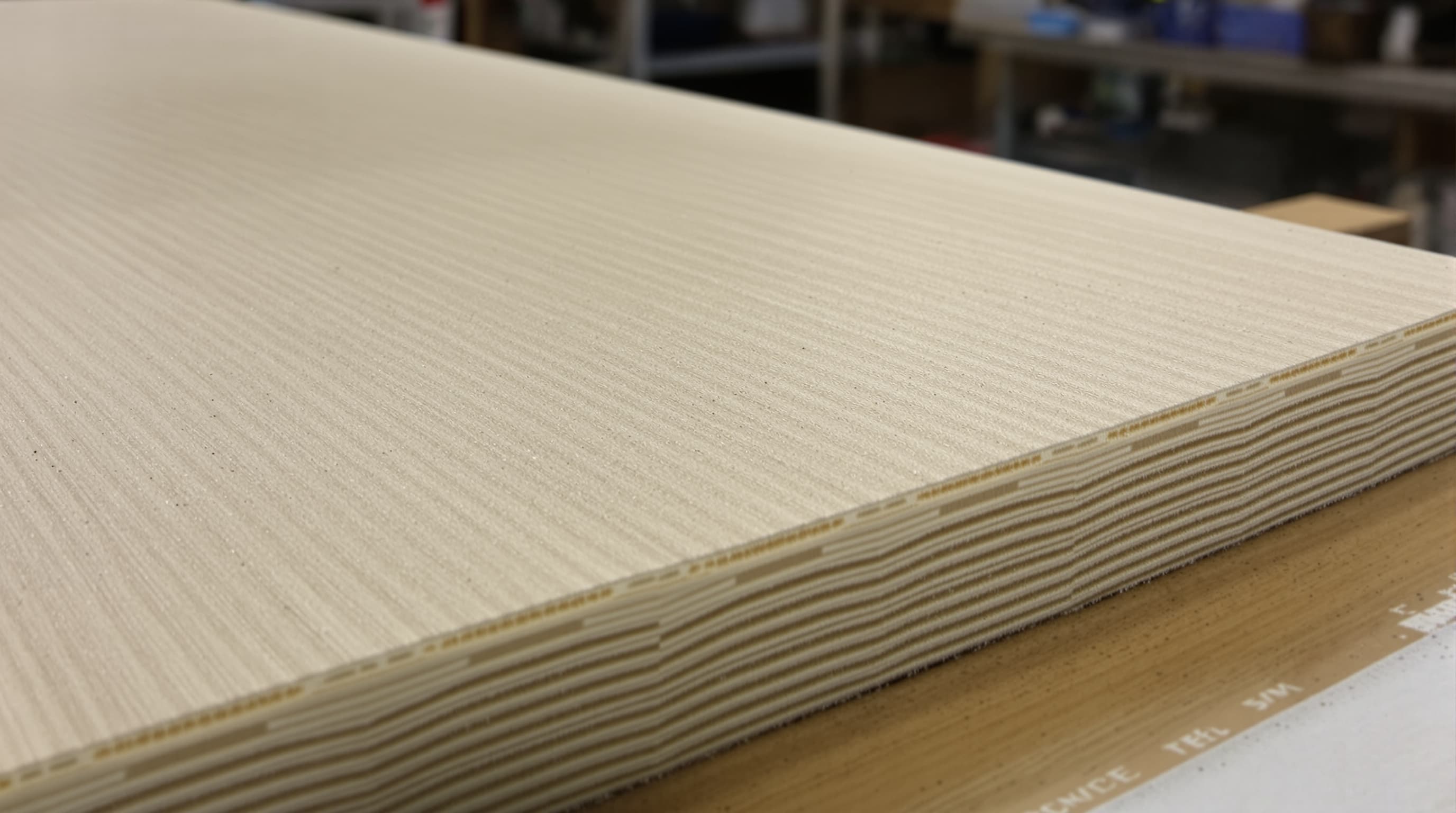
Mercedes-Benz
Hemp-sisal-flax composite door cards and pillar trim — in production since the W210 E-Class in the mid-1990s. The longest-running natural-fibre supply line in European automotive. Confirmed in Daimler's annual sustainability reports.
Germany · E-Class W210 onwards · 1990s
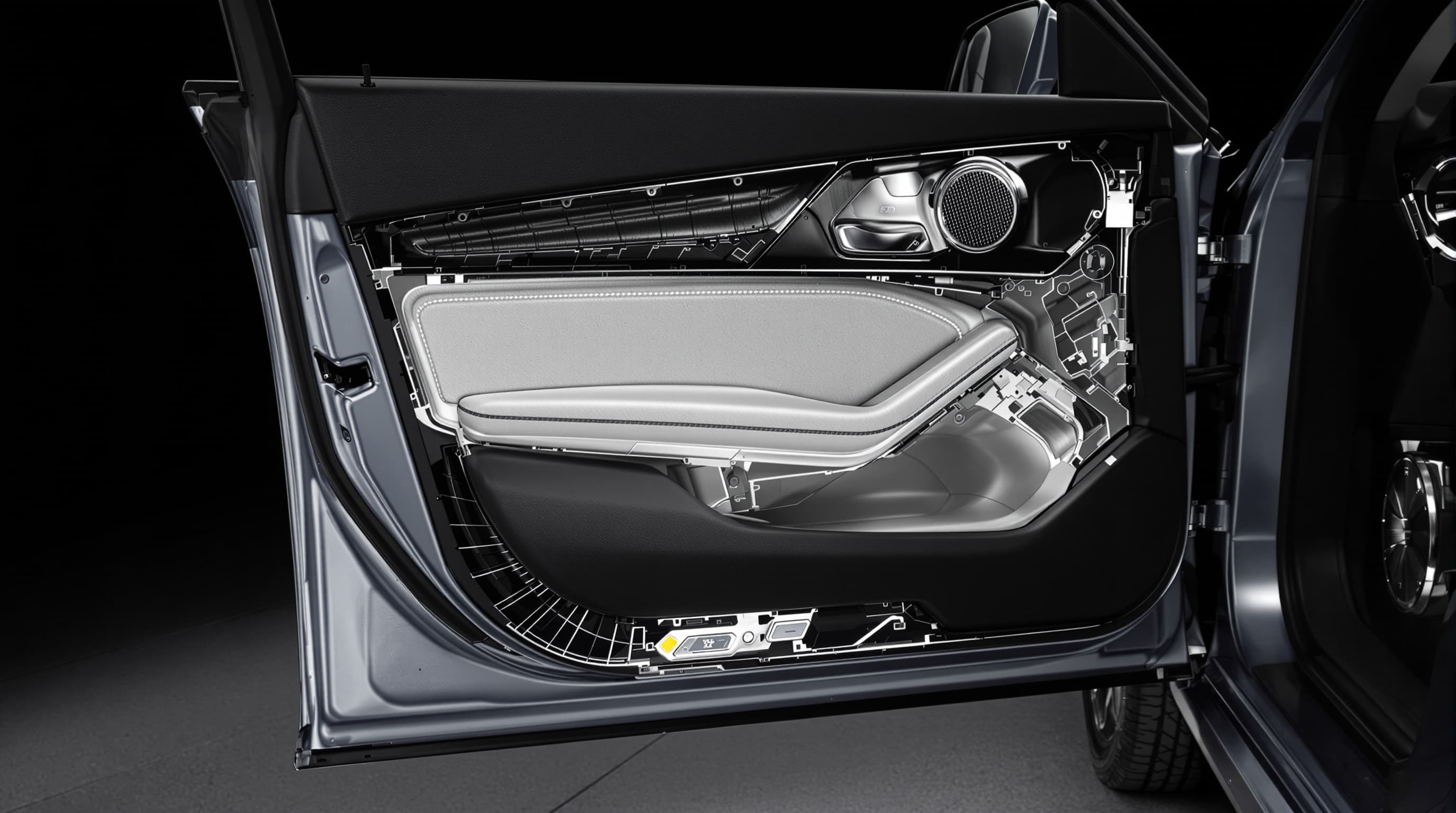
Honest history
Henry Ford's 1941 Soybean Car is often cited as 'the first hemp car.' The original Ford patents reference soybean meal as the principal fibre. Hemp appears in some accounts but the recipe is contested. Treat the 'Ford hemp car' as partial mythology. The honest modern landmark is the BMW i3 (2013) and the M4 GT4 (2021).
Henry Ford did not build a car from hemp
How can we hemp you?
Building. Sourcing. Specifying. Investing. Or just curious about where the European hemp supply chain is going in 2026. Tell us who you are and what you're working on. We read everything; we reply to most within two working days.
We do not sell, share, or rent your data. Your message lands in our team inbox and stays there.