25.6 gigatonnes
Conservative yield × 1.6 billion cropland hectares × 16 t CO₂ per hectare per season = 25.6 Gt of CO₂ removed from the atmosphere in one global summer. About 69% of annual fossil-fuel emissions. Fantasy as policy; real as order-of-magnitude.
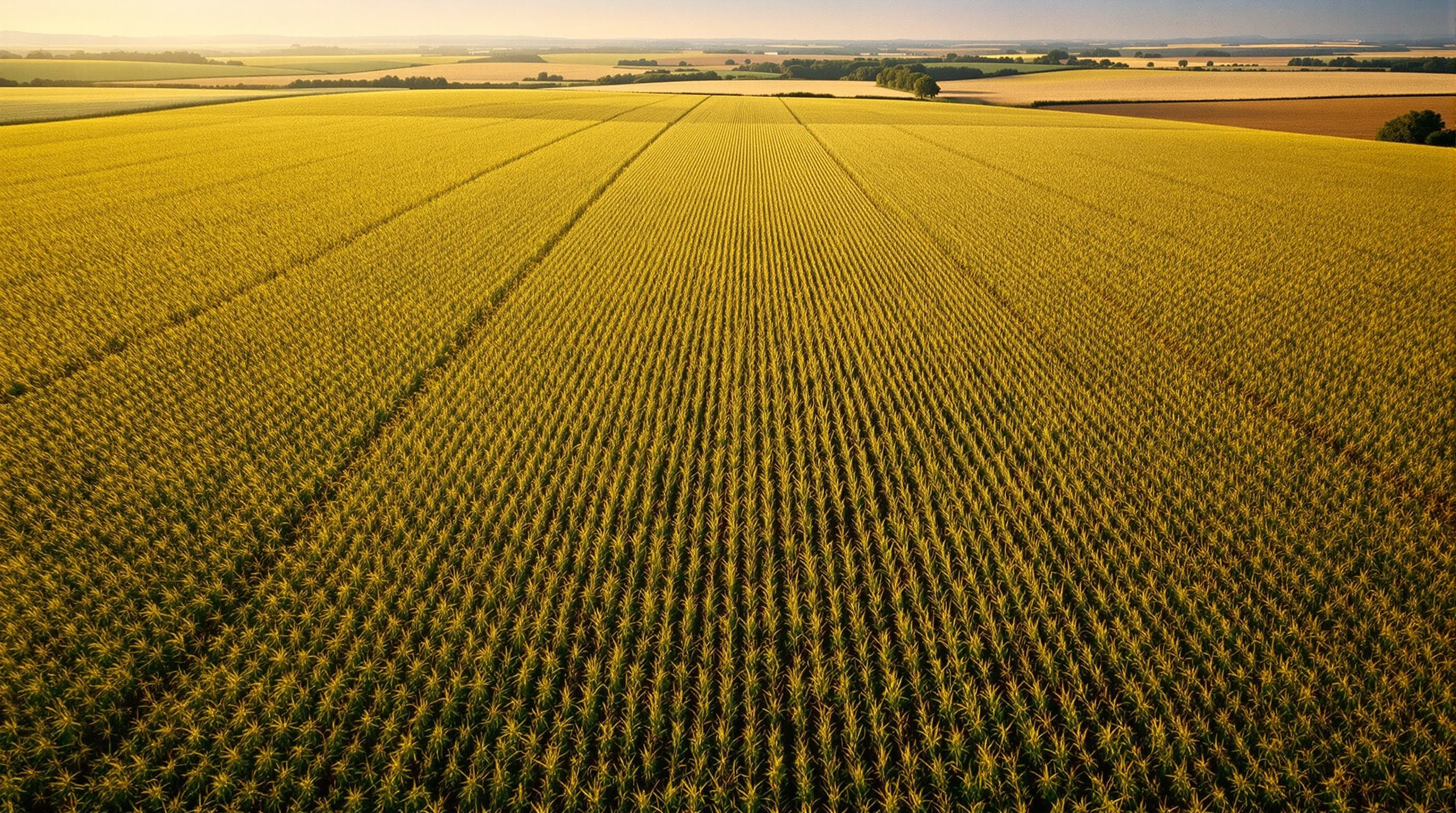
The tap root
Hemp drives a single primary root straight down through the subsoil, fracturing compacted layers that decades of tractor traffic have welded shut. The lateral web that branches off pulls minerals up from depths most cereals never reach. The wheat that follows hemp routinely yields 10–20% more with no added inputs.
1.5 to 2.4 metres deep
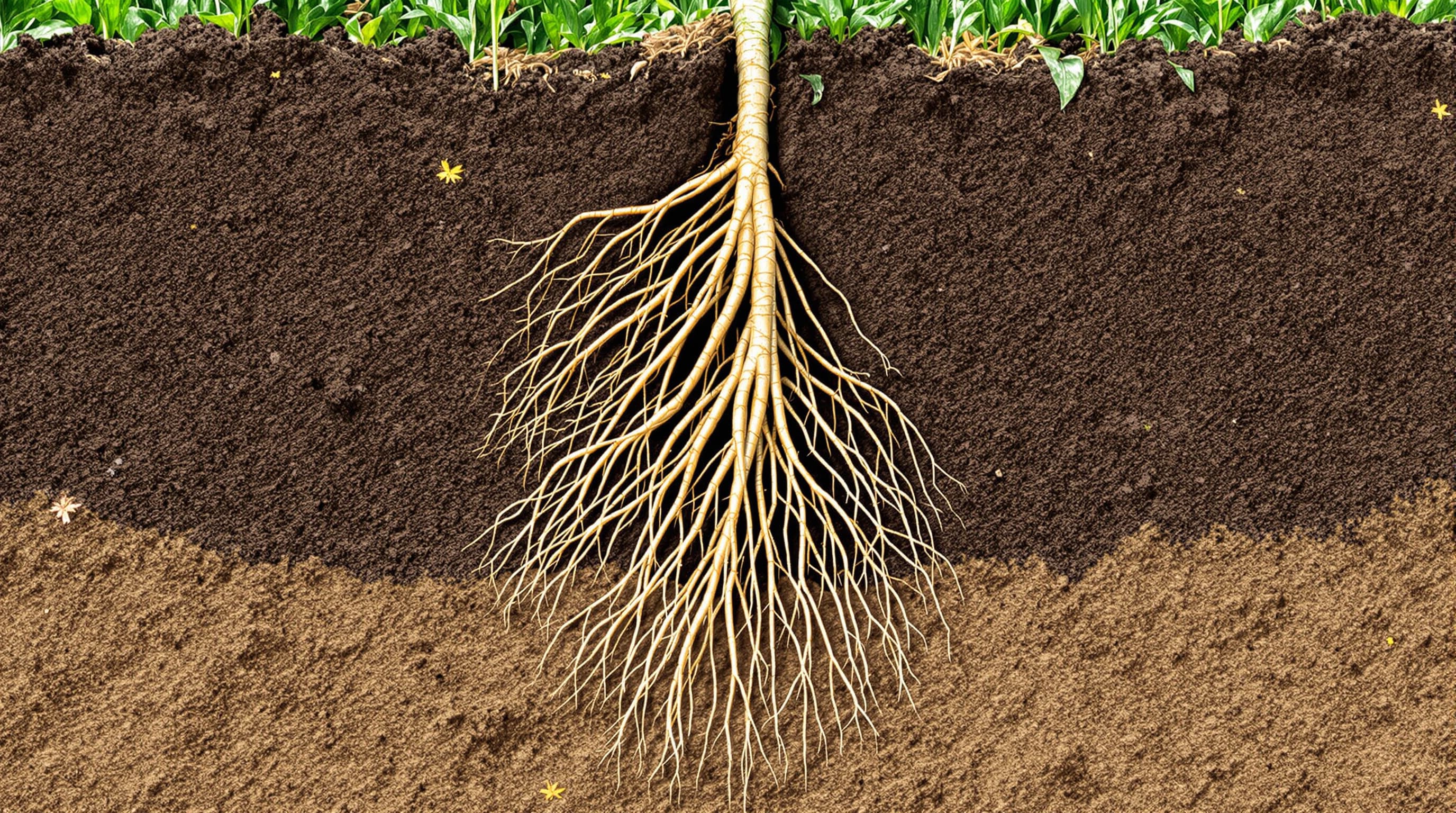
Chernobyl, 1998
Phytotech Inc., Consolidated Growers and the Ukrainian Institute of Bast Crops planted industrial hemp on contaminated farmland thirty kilometres south of the Chernobyl exclusion zone. The plant's roots and mycorrhizal partnerships pulled caesium-137 and strontium-90 out of the ground. The biomass was incinerated and the toxins captured in flue scrubbers. The field, slowly, became farmable again.
Phytoremediation · Cd · Pb · ¹³⁷Cs · ⁹⁰Sr
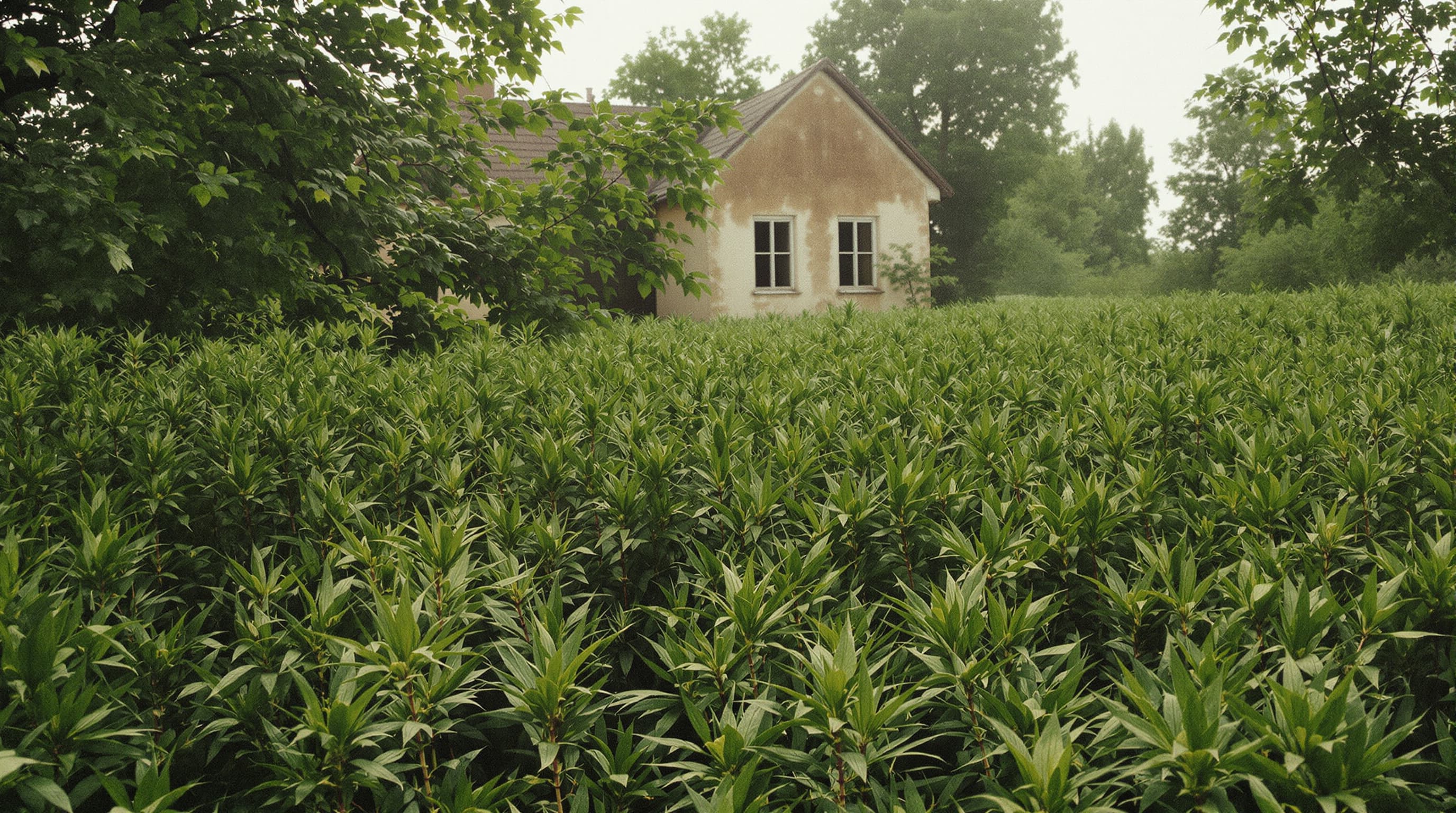
48% carbon
Hemp biomass is roughly 48% carbon by dry weight. A well-grown hectare yields 8 to 15 dry tonnes of above-ground biomass in a single season. Multiply carbon by 3.67 (the molecular conversion to CO₂eq) and you get 14 to 27 tonnes of CO₂ fixed per hectare per year — before the root system adds another 1 to 3 tonnes locked into the soil.
Of dry biomass, by mass
−60% water
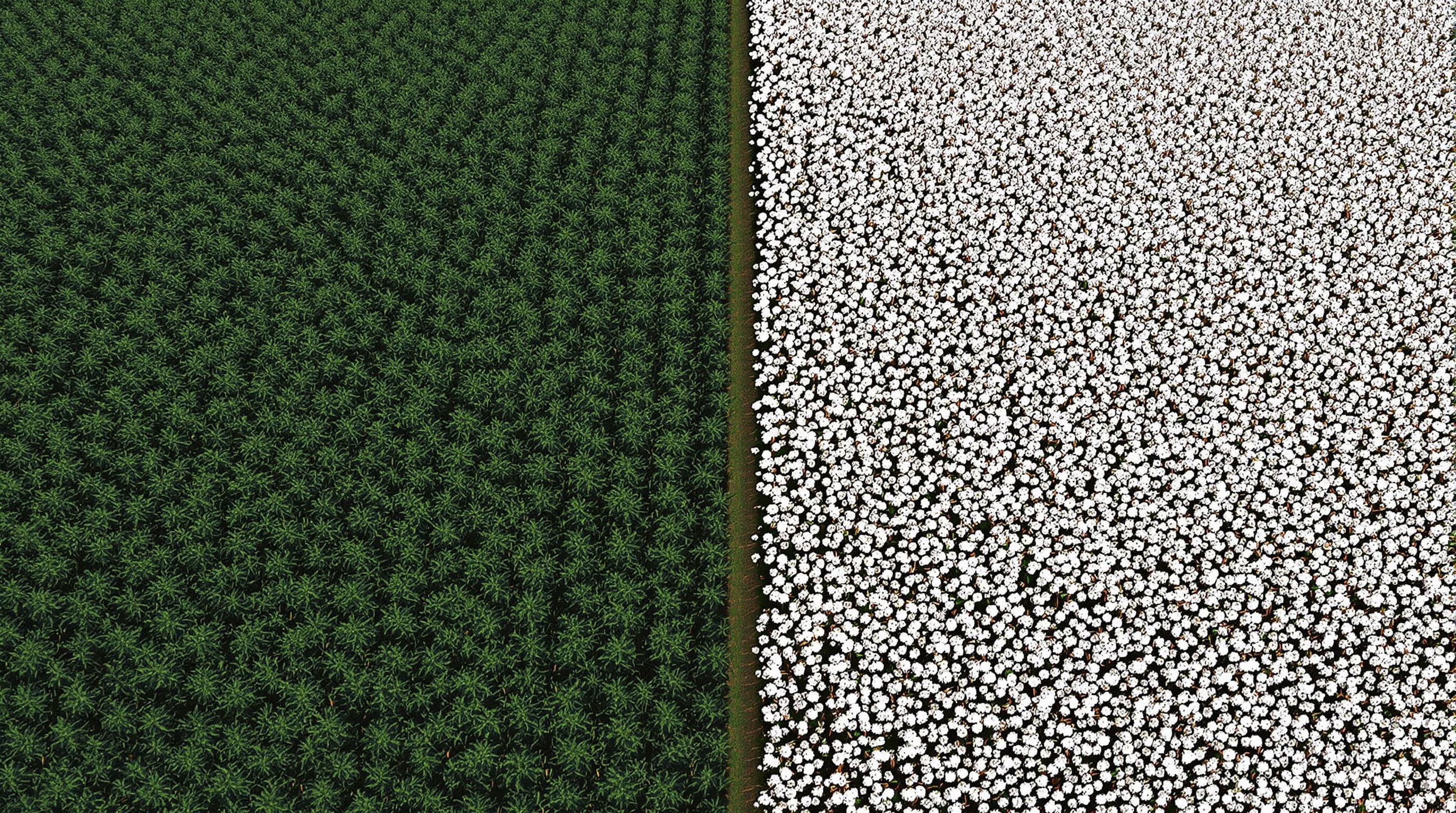
Hemp's growing-season water demand is 300 to 500 mm. Cotton's is 700 to 1,300. Cotton occupies 2.4% of global cropland and consumes 6% of global agricultural pesticide and 16% of global insecticide. Replace even a quarter of cotton with hemp and the chemistry budget of textiles starts to change shape.
Vs cotton at comparable latitudes
Canopy closes
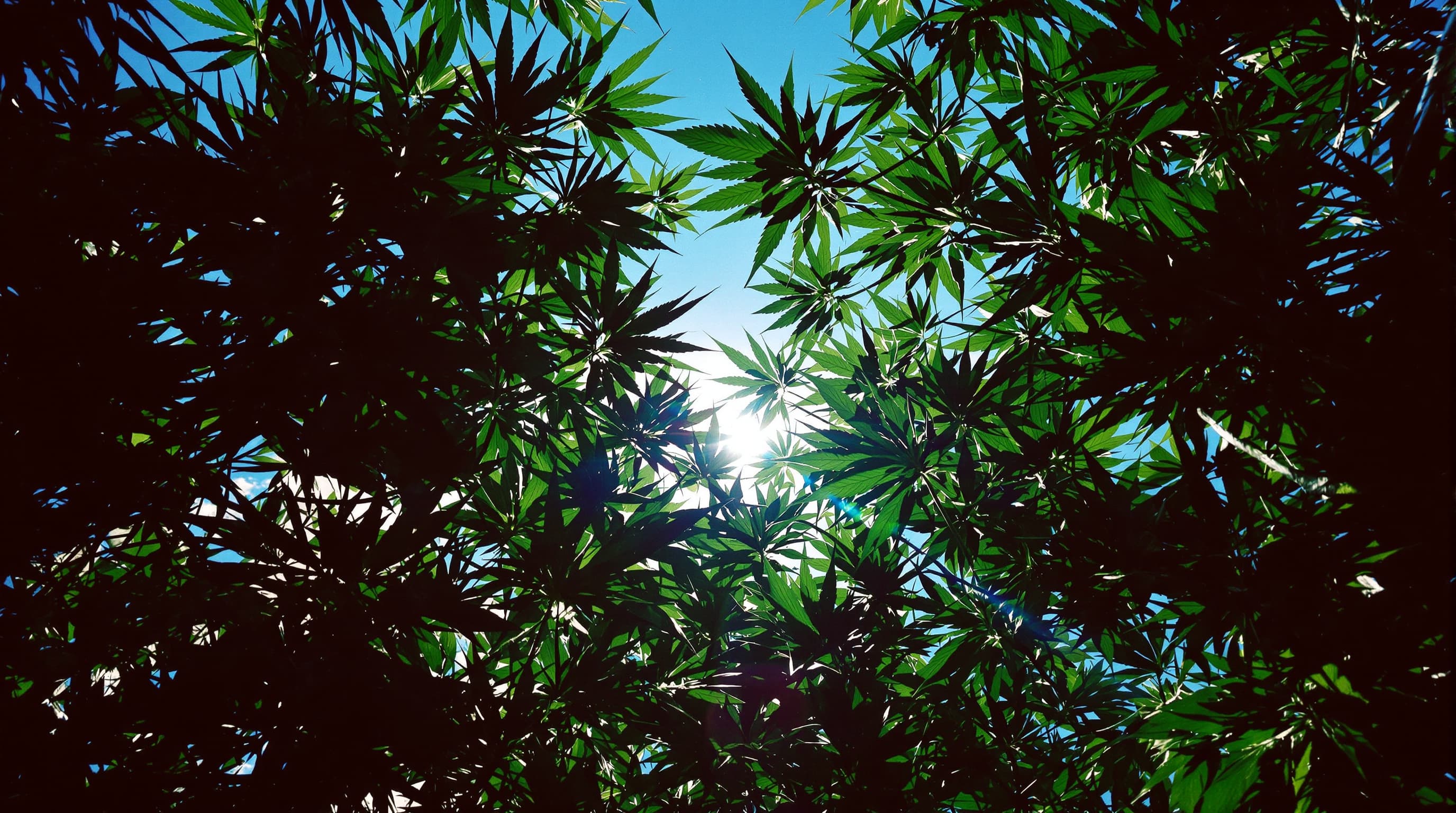
Hemp closes its canopy within three to four weeks of germination. By the time weeds attempt a second leaf, hemp has shaded them out. Its terpenes deter most leaf-eating insects without intervention. Routine glyphosate, atrazine and pre-emergent — none of it required for most production. The European Corn Borer is the only real pest, and rotation handles it.
Four weeks · no routine pesticide
100 days
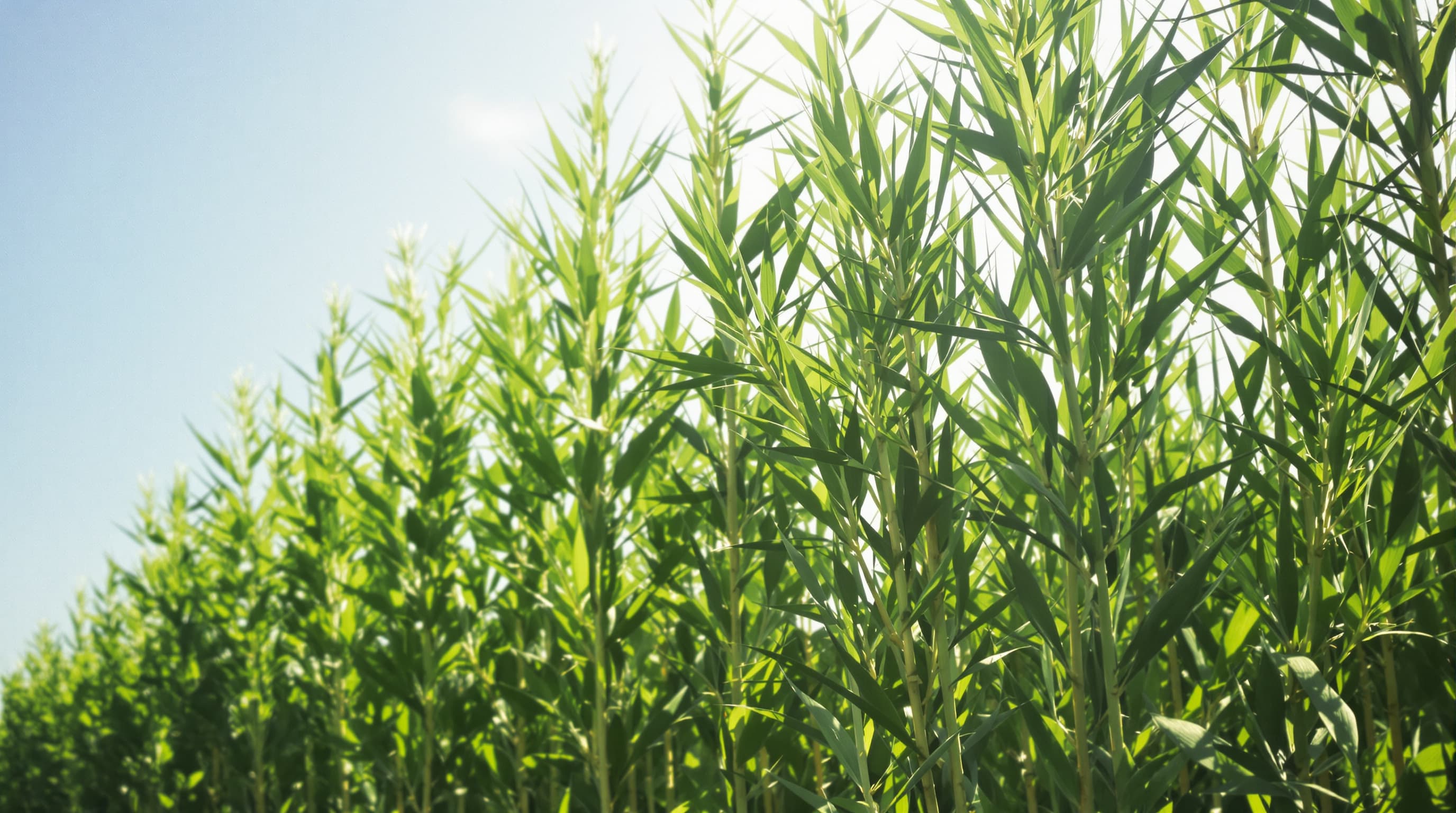
Sown in May, harvested in August. Industrial hemp completes its life cycle in roughly 100–120 days, reaching three to four metres of stalk in a single season. No other temperate-zone fiber crop comes close. Flax peaks at 1.2 m. Cotton spends six months on a metre of growth and demands eight times the water.
Four metres of stalk in one summer
Soil legacy
After harvest, hemp leaves behind 1 to 3 tonnes of root and stubble biomass per hectare. Decomposing under the next crop, it delivers nitrogen, organic carbon and the structural legacy of those deep roots into the topsoil. A 2010 University of Connecticut study measured a 0.3% rise in soil organic carbon after a single hemp rotation on degraded New England farmland.
What stays in the ground
How can we hemp you?
Building. Sourcing. Specifying. Investing. Or just curious about where the European hemp supply chain is going in 2026. Tell us who you are and what you're working on. We read everything; we reply to most within two working days.
We do not sell, share, or rent your data. Your message lands in our team inbox and stays there.